Where the Pacific meets the Sea of Cortez
Cabo San Lucas combines sheltered coves, dramatic rock formations and access to open-ocean wildlife. That variety makes it valuable for both a first freediving course and advanced line training—but wind, swell, visibility and boat traffic mean the right site can change from one day to the next.
The best freediving sites around Cabo
Chileno Bay
A protected cove with shore access, reef life and generally approachable conditions. It is a strong choice for relaxed exploration, skills practice and newer ocean freedivers when conditions allow.
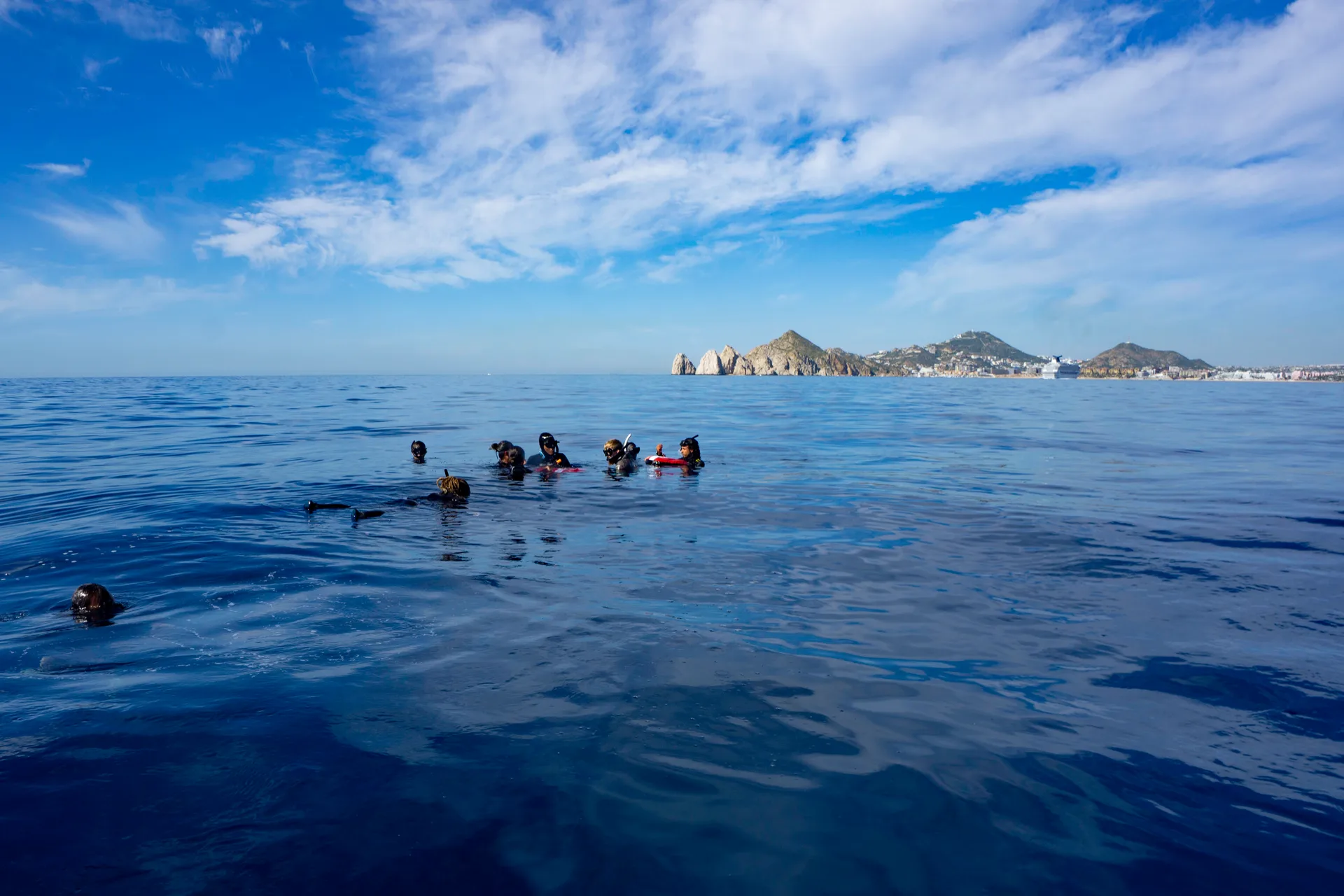
Santa Maria Bay
A sheltered horseshoe-shaped bay between granite headlands. Clearer morning conditions can make it rewarding for reef observation and controlled recreational sessions.
Pelican Rock & Land’s End
Close to the Cabo San Lucas marine protected area, this boat-access zone offers striking underwater terrain and marine life. Currents and traffic make experienced supervision especially important.
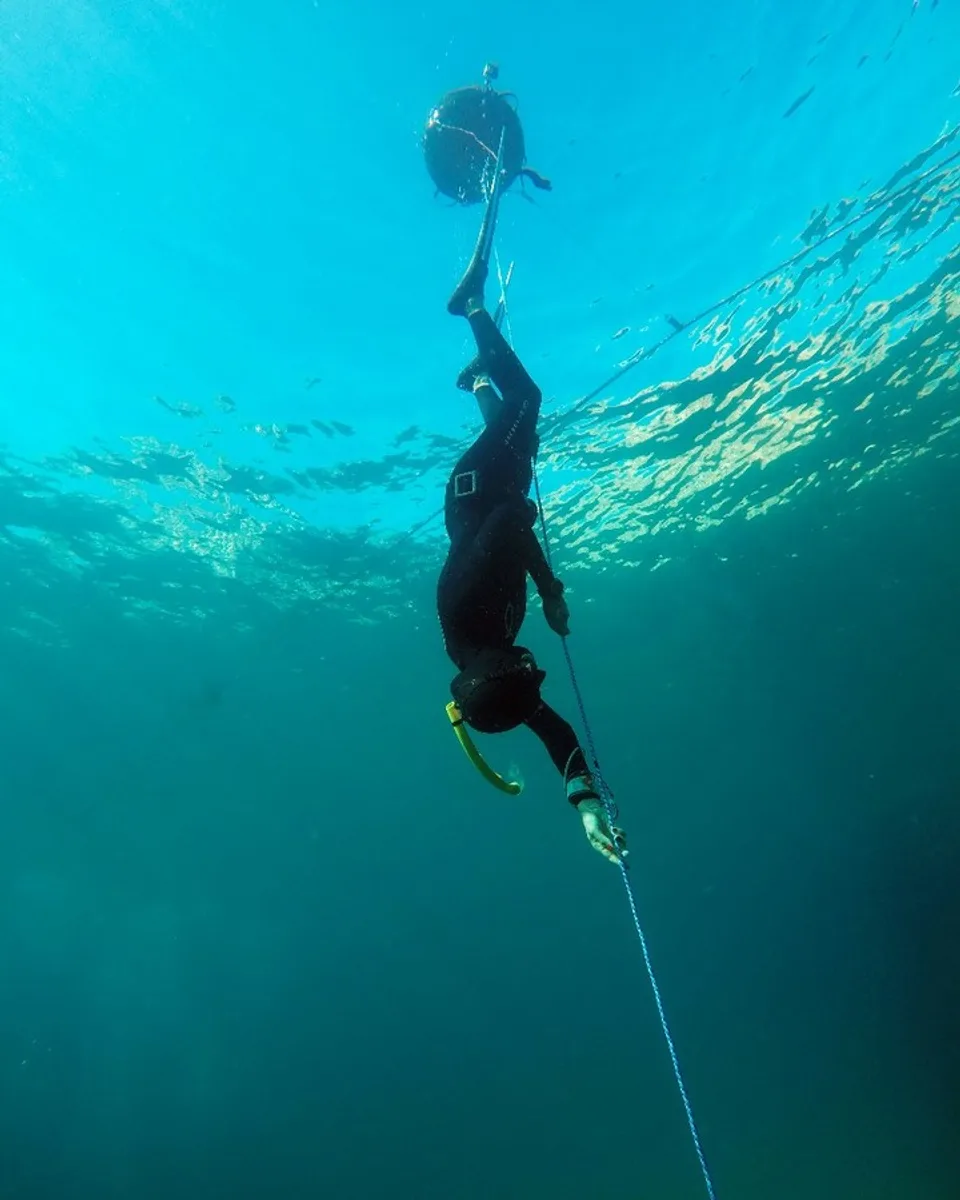
Open-water depth training
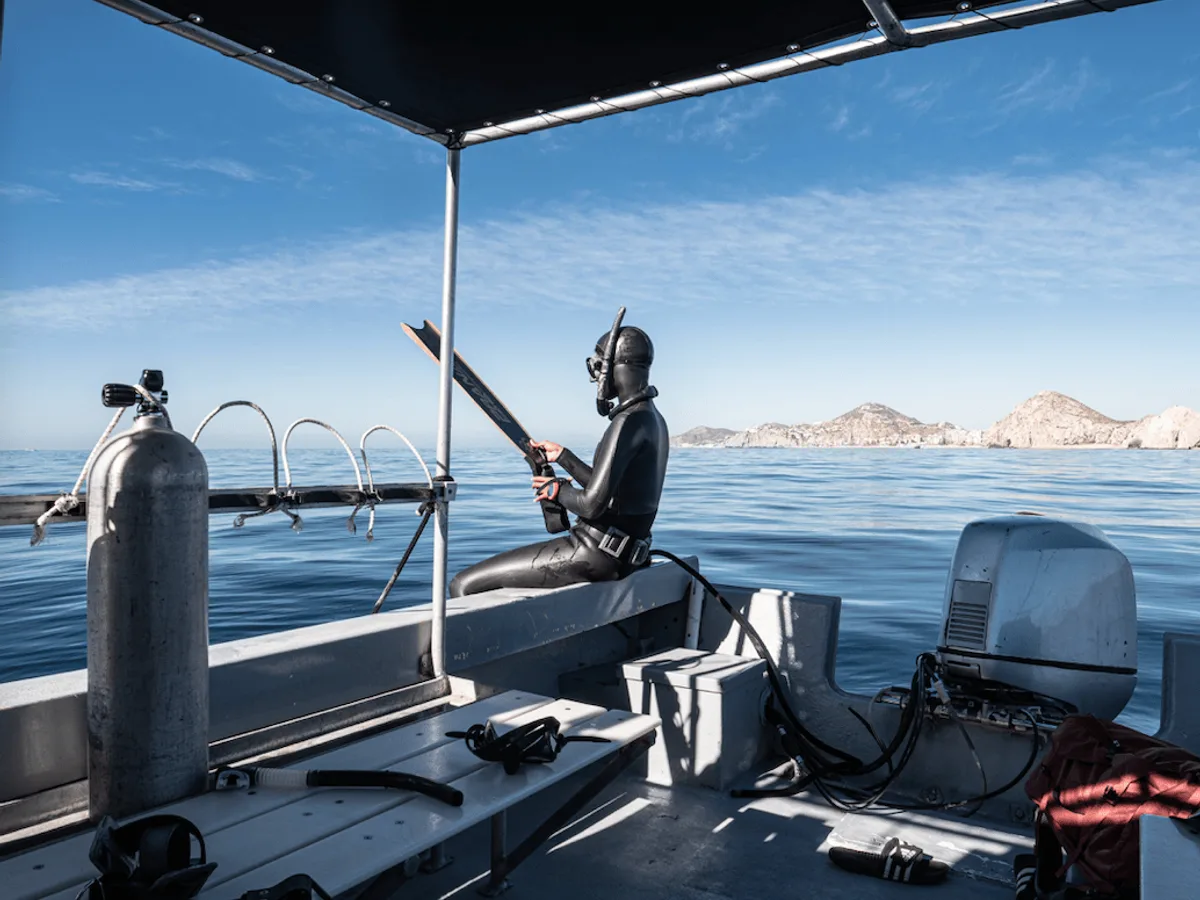
Dedicated line sessions are selected around the day’s sea state and training objective. They focus on technique, equalization, safety procedures and calm progression rather than chasing a number.
When to freedive in Cabo San Lucas
There is no single perfect month. Cabo can be dived throughout the year, while temperature, visibility, wind and wildlife change with the seasons.
Humpback whale season brings extraordinary surface encounters. Ocean conditions and water temperature can be more variable.
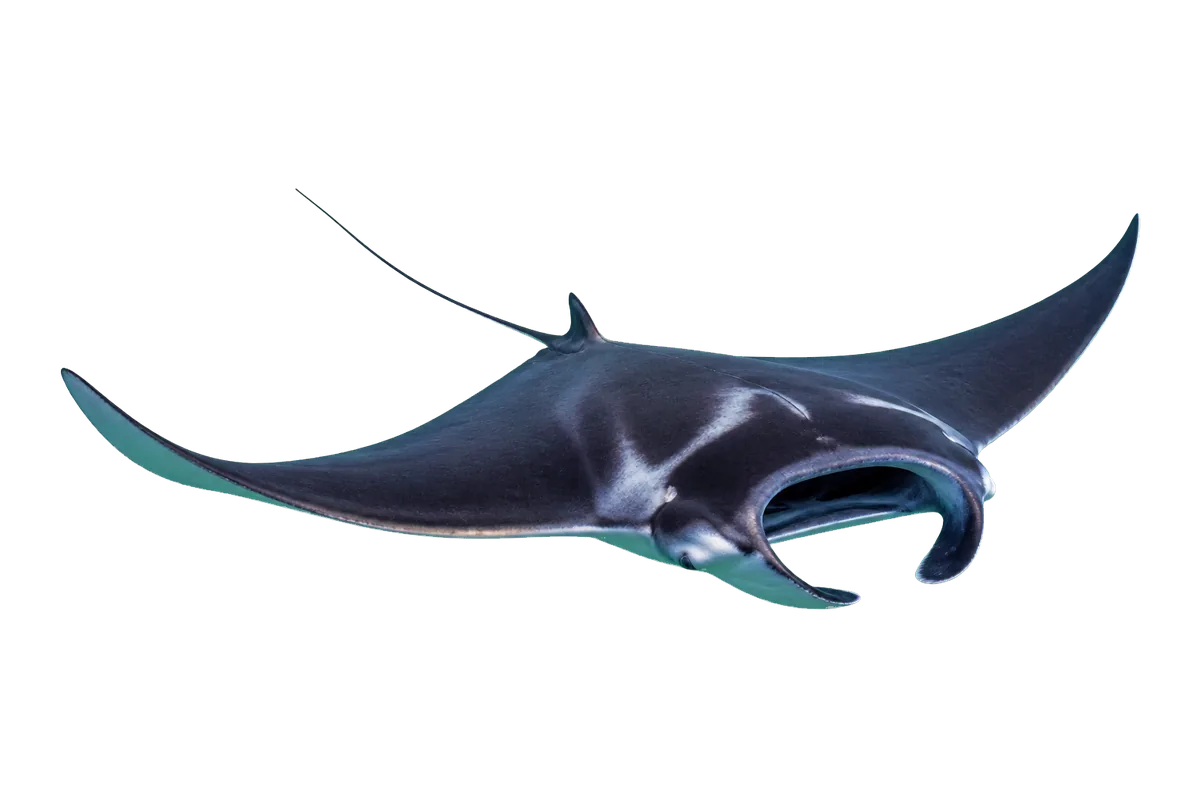
The largest mobula aggregations are typically associated with late spring and early summer. Sightings remain natural and cannot be promised.
Often warmer water and evolving visibility, balanced against seasonal weather. Daily local assessment remains essential.
Which freediving course should you choose?
No date shown? You can still enquire. Ocean Tigers also organizes courses on request according to availability, in English, Spanish and French.
After the ocean
Restaurants We Like
Our local picks around Cabo San Lucas—from quick juices and tacos to a special sunset dinner.
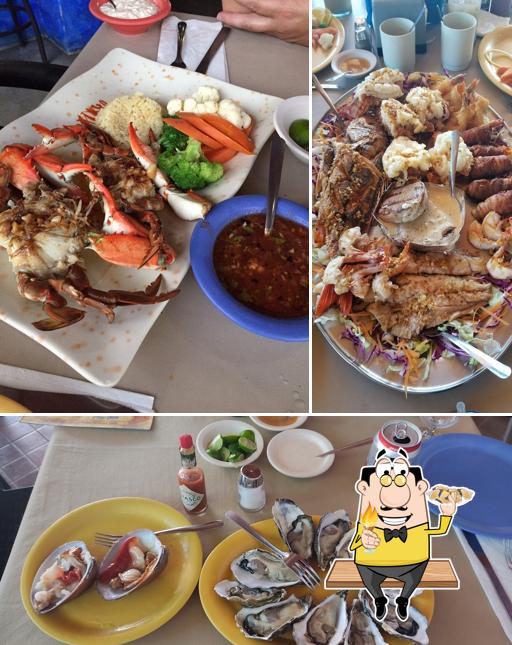
Mariscos Las Tres Islas
Fresh, generous Mexican seafood in a relaxed local setting.
Open in Google Maps ↗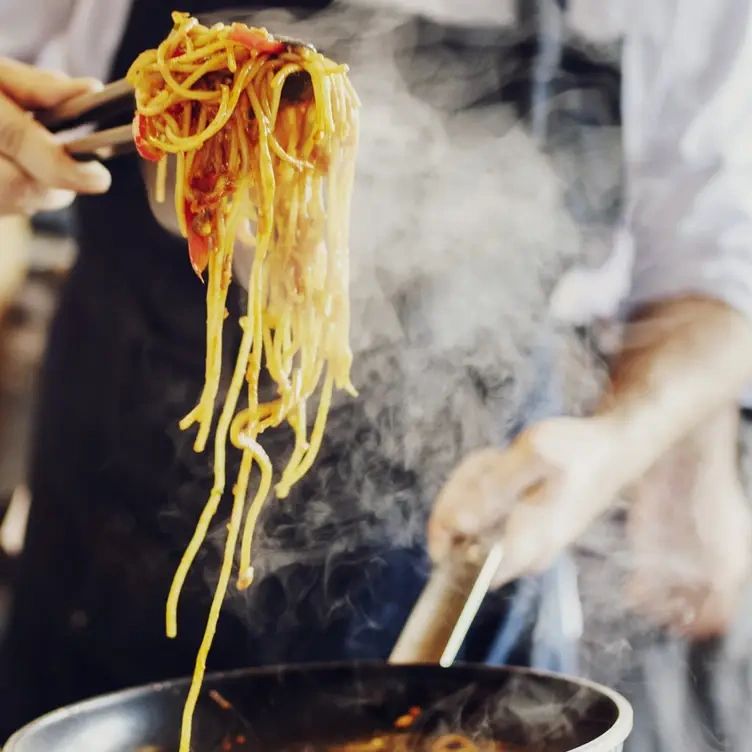
The Italian Job
Wood-fired pizza, homemade pasta and a warm neighborhood atmosphere.
Open in Google Maps ↗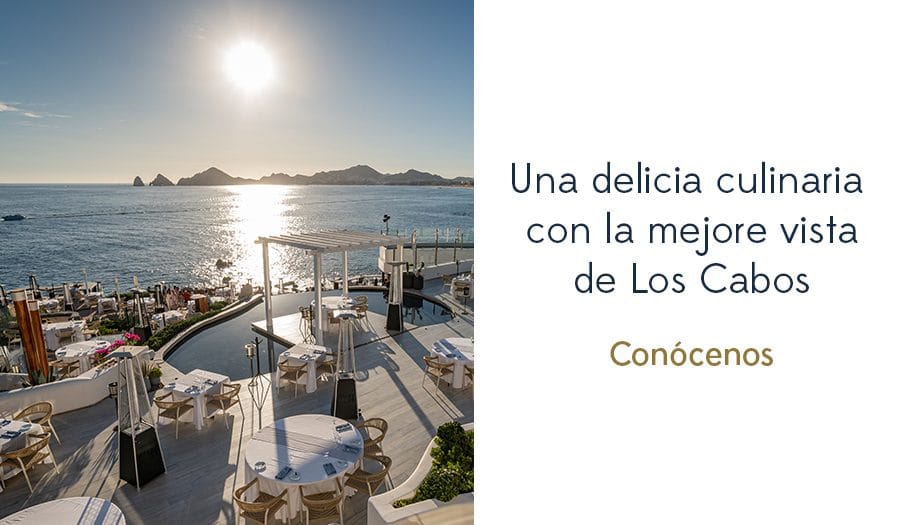
Sunset Monalisa
Mediterranean dining with one of Cabo’s most memorable sunset views.
Open in Google Maps ↗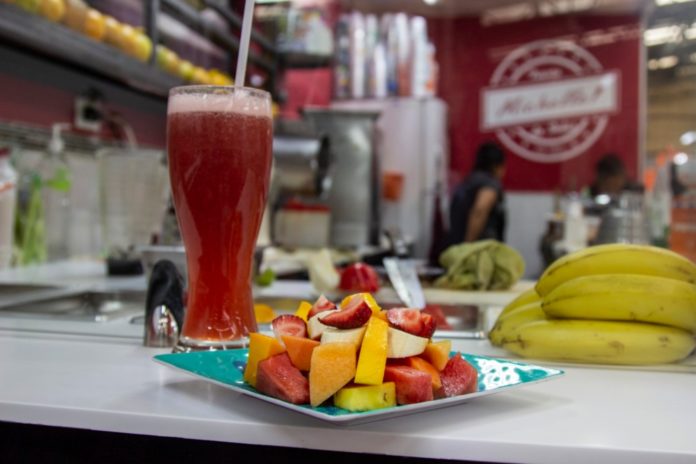
Jugo de Mazatlán
A refreshing local stop for fresh fruit juices.
Open in Google Maps ↗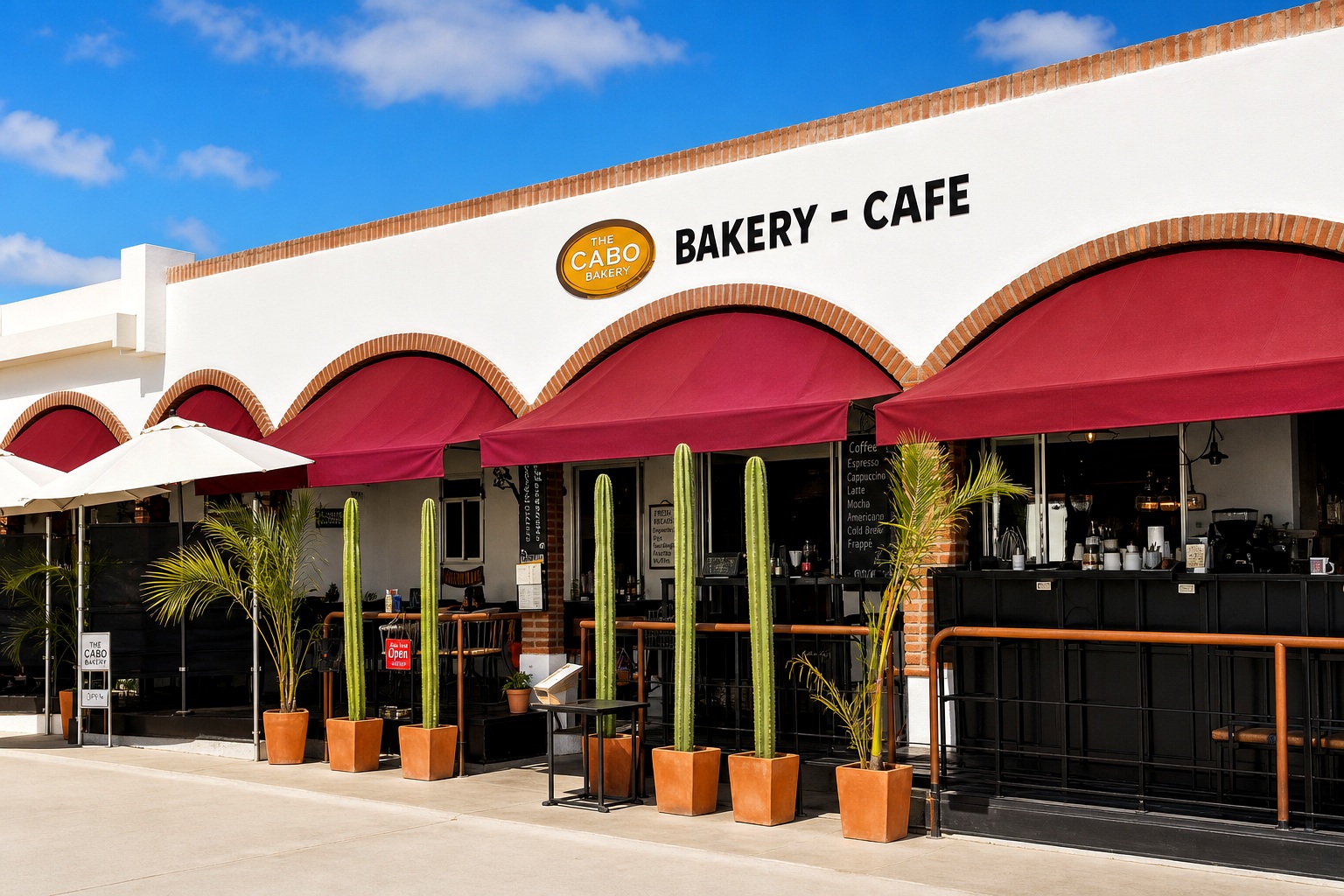
The Cabo Bakery
Artisan bread, pastries, breakfast and coffee baked fresh every day.
Open in Google Maps ↗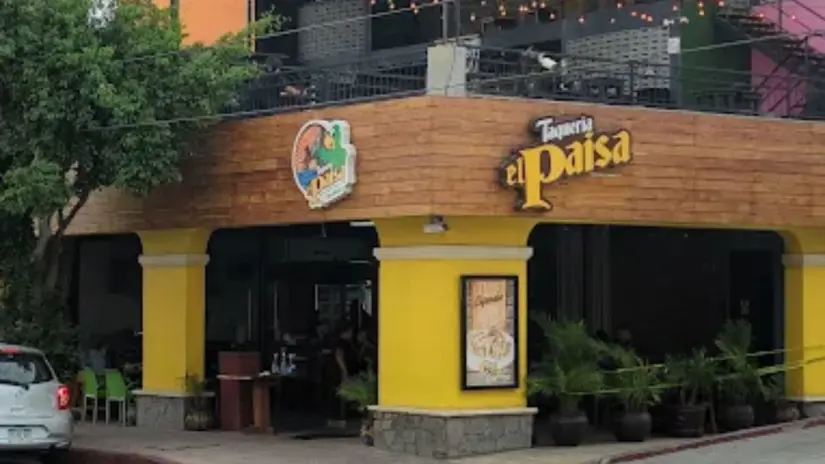
El Paisa · Centro Cabo San Lucas
A casual downtown favorite for tacos and classic Mexican flavors.
Open in Google Maps ↗Wild Baja California Sur
Underwater Animals
Meet some of the marine animals that make the southern Baja peninsula so special—and the periods when your chances of seeing them are usually highest.
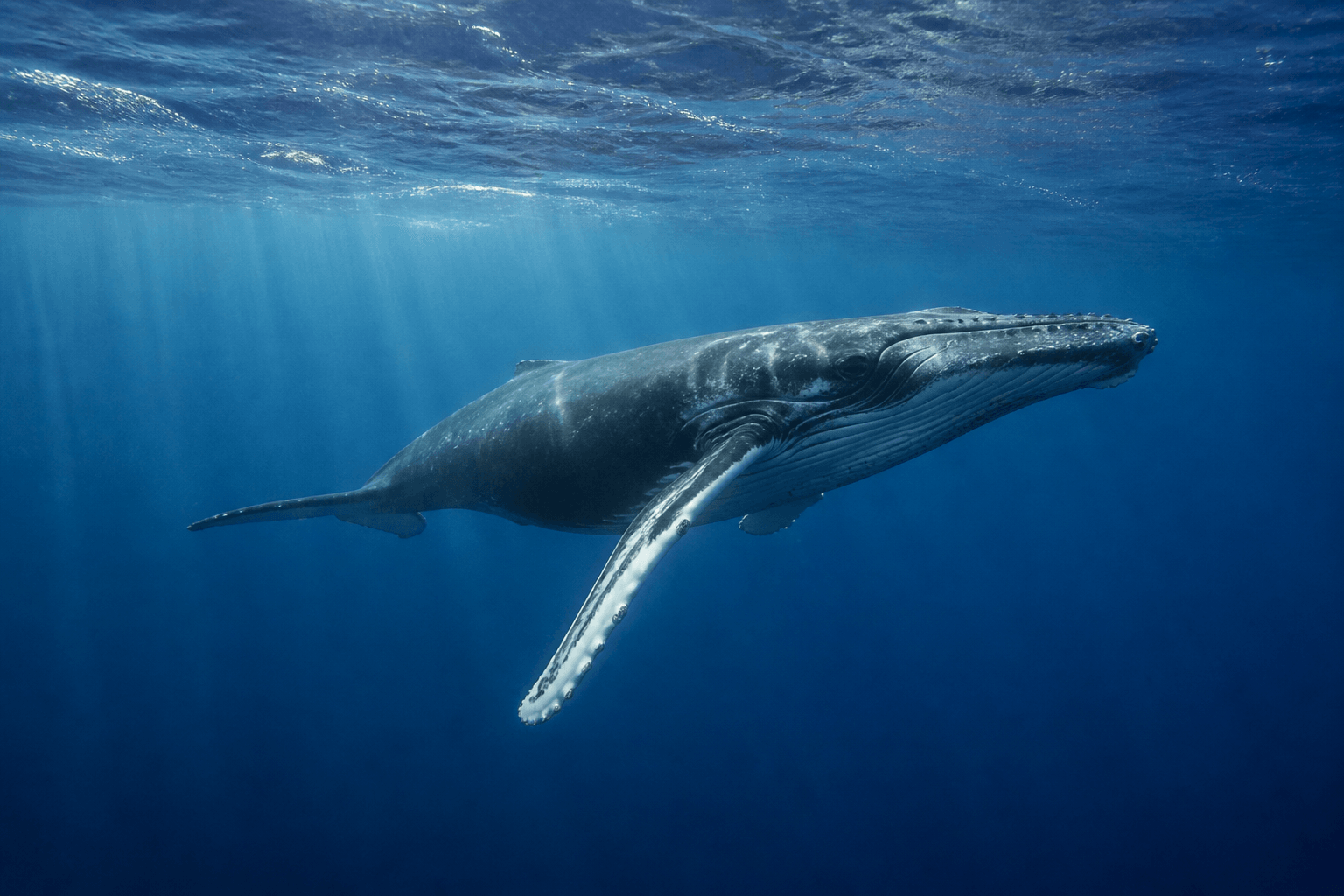
Humpback whale
Megaptera novaeangliaeLos Cabos & Pacific coastWinter visitors often seen breaching, tail-slapping or travelling with calves. February is commonly one of the most active months.
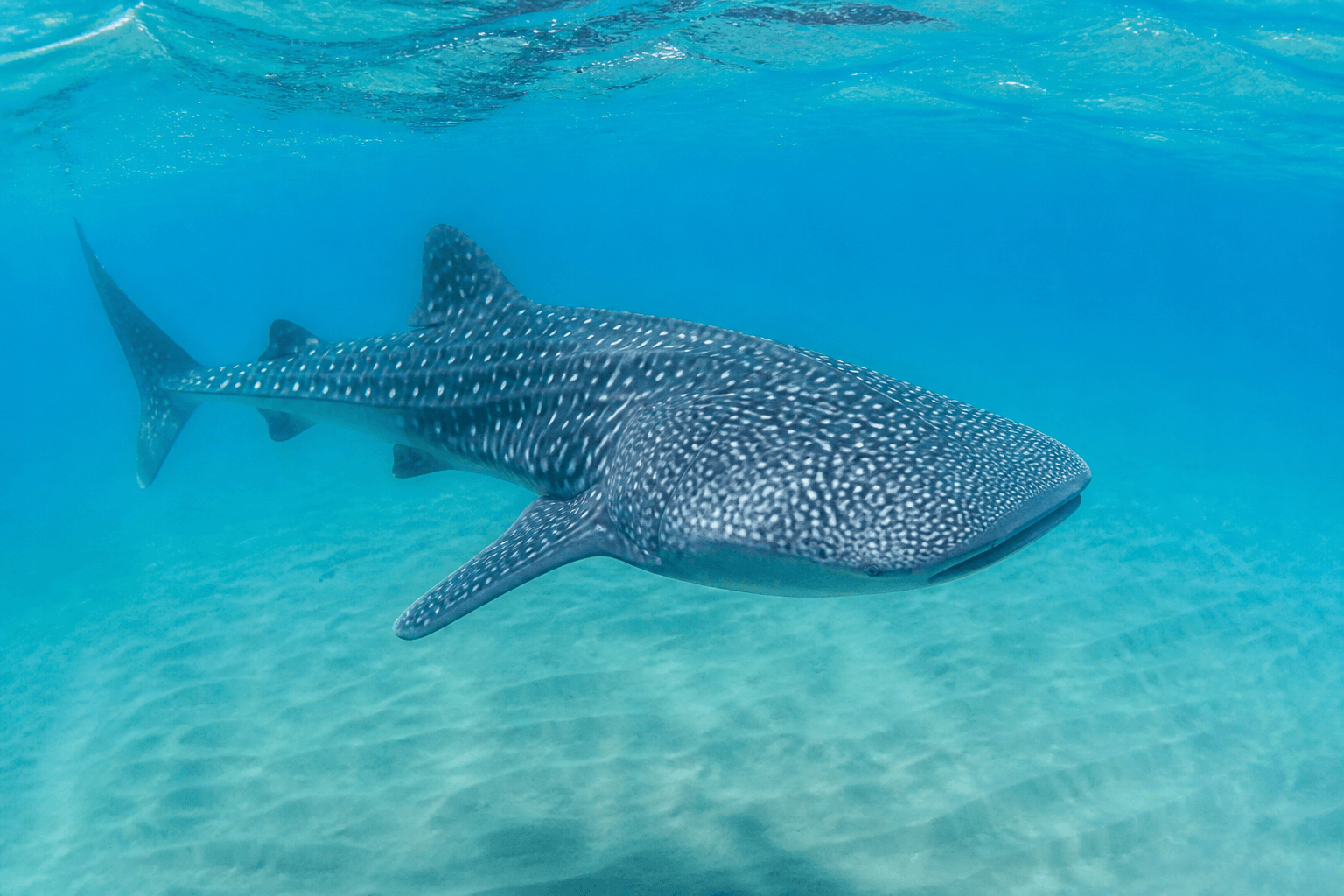
Whale shark
Rhincodon typusLa PazThe world’s largest fish feeds in the shallow waters near El Mogote. Encounters are regulated and conditions determine daily access.
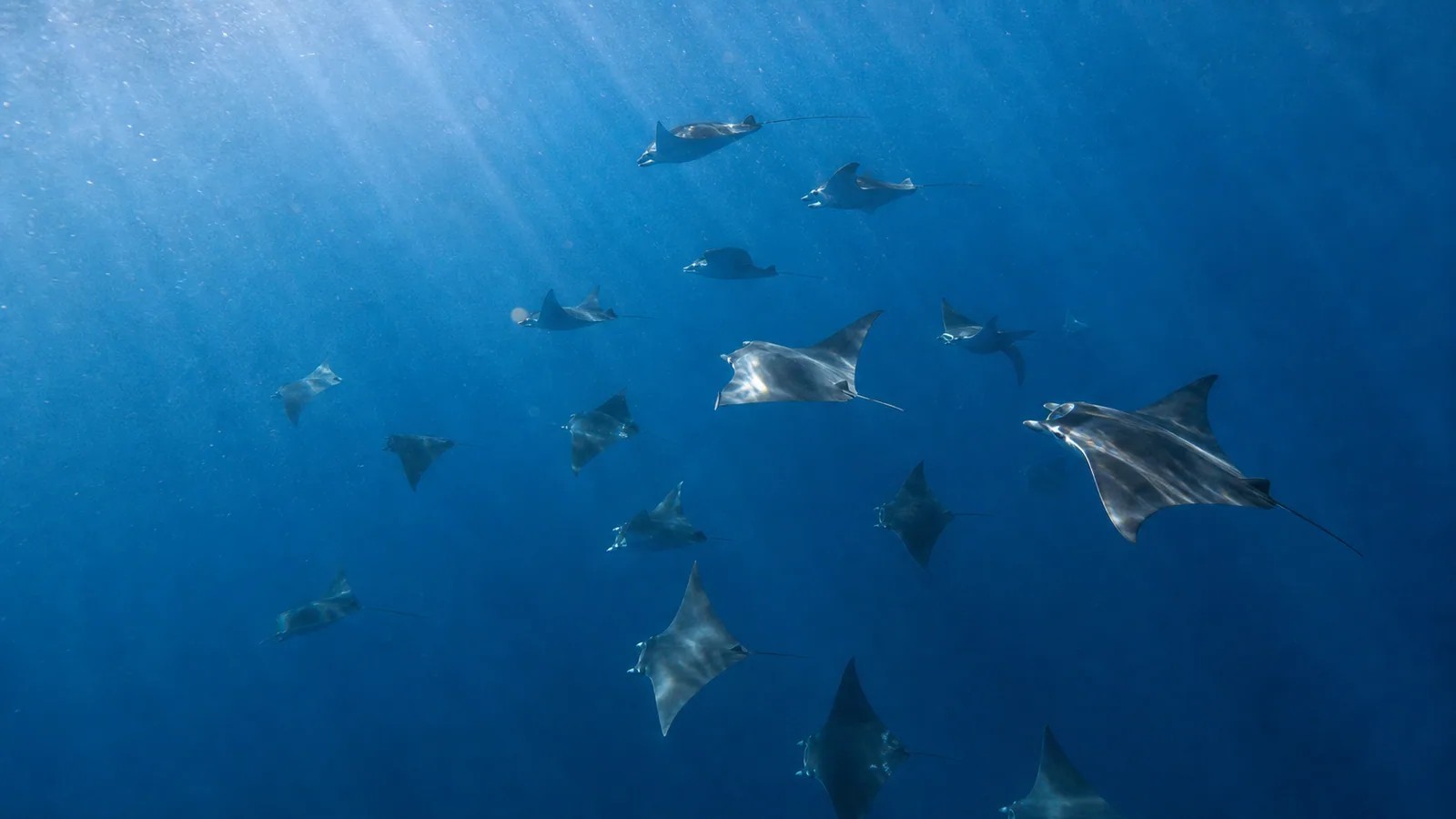
Mobula ray
Mobula munkianaLos Cabos & Sea of CortezMobulas may appear throughout the year, but the largest schools usually gather from late spring into early summer.
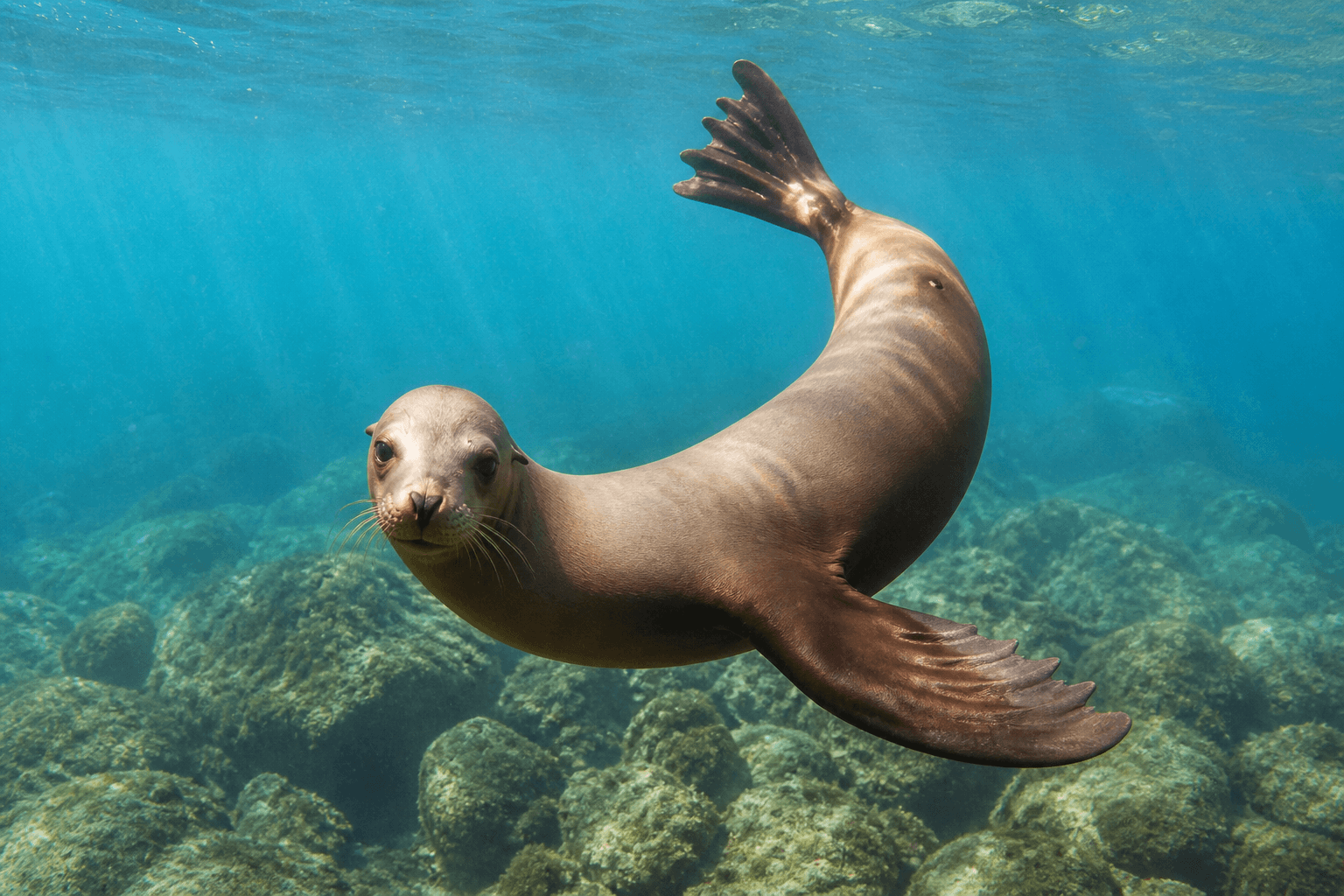
California sea lion
Zalophus californianusCabo San Lucas & La PazResident colonies can be observed around rocky islands and protected areas. Seasonal breeding rules may restrict in-water access.
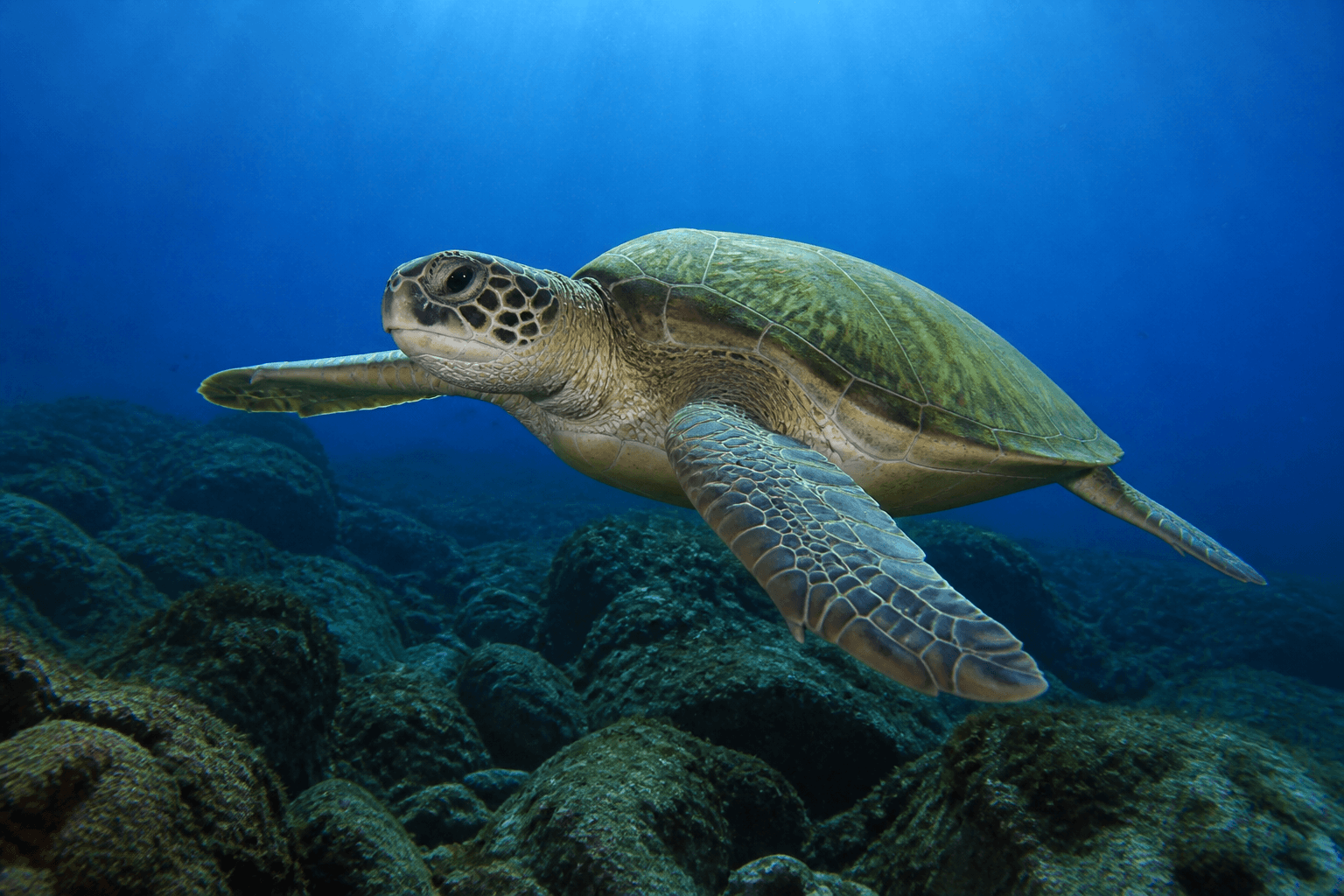
Sea turtle
CheloniidaeCoastal reefs & sheltered baysGreen and olive ridley turtles can be encountered around reefs; nesting and hatchling activity is strongest from late summer into fall.
Spotted eagle ray
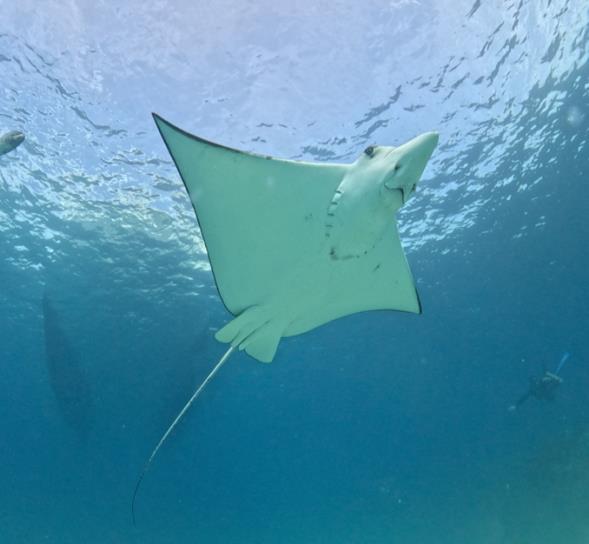
Aetobatus laticepsChileno, Santa Maria & reef sitesThese graceful rays cruise sandy channels and reef edges. Calm mornings and good visibility offer the best chance of a respectful sighting.
Wildlife is wild: these periods describe typical patterns, not guaranteed encounters. Weather, water conditions, annual migrations and protected-area rules always come first.
Freediving safety in Cabo
- Never freedive alone, even in shallow water.
- Use an actively trained buddy who understands surface supervision and rescue.
- Choose the site after checking wind, swell, currents, visibility and boat traffic.
- Use a visible buoy and line for depth training.
- Respect protected-area rules and never chase, touch or block marine animals.
- Progress conservatively and end the session before fatigue compromises technique.
Plan with reliable local information
Site and seasonal context in this guide is supported by the official Los Cabos Tourism Board and Mexico’s National Commission of Protected Natural Areas. Final session decisions should always be based on current local conditions.
Los Cabos Tourism Board ↗Cabo San Lucas protected area ↗Continue planning your freediving trip
Compare training pathways, the wider Sea of Cortez experience and Cabo’s broad seasonal patterns.
Freediving courses and training in Mexico →Freediving in the Sea of Cortez →Best time to freedive in Cabo San Lucas →